50% OFF LAST CALL PILLOWS SHOP NOW
10% OFF with Code: 'WELCOME10' For First Time Customers
How To Choose Pillow Inserts
A quiet guide to comfort, structure, and the feeling beneath the fabric
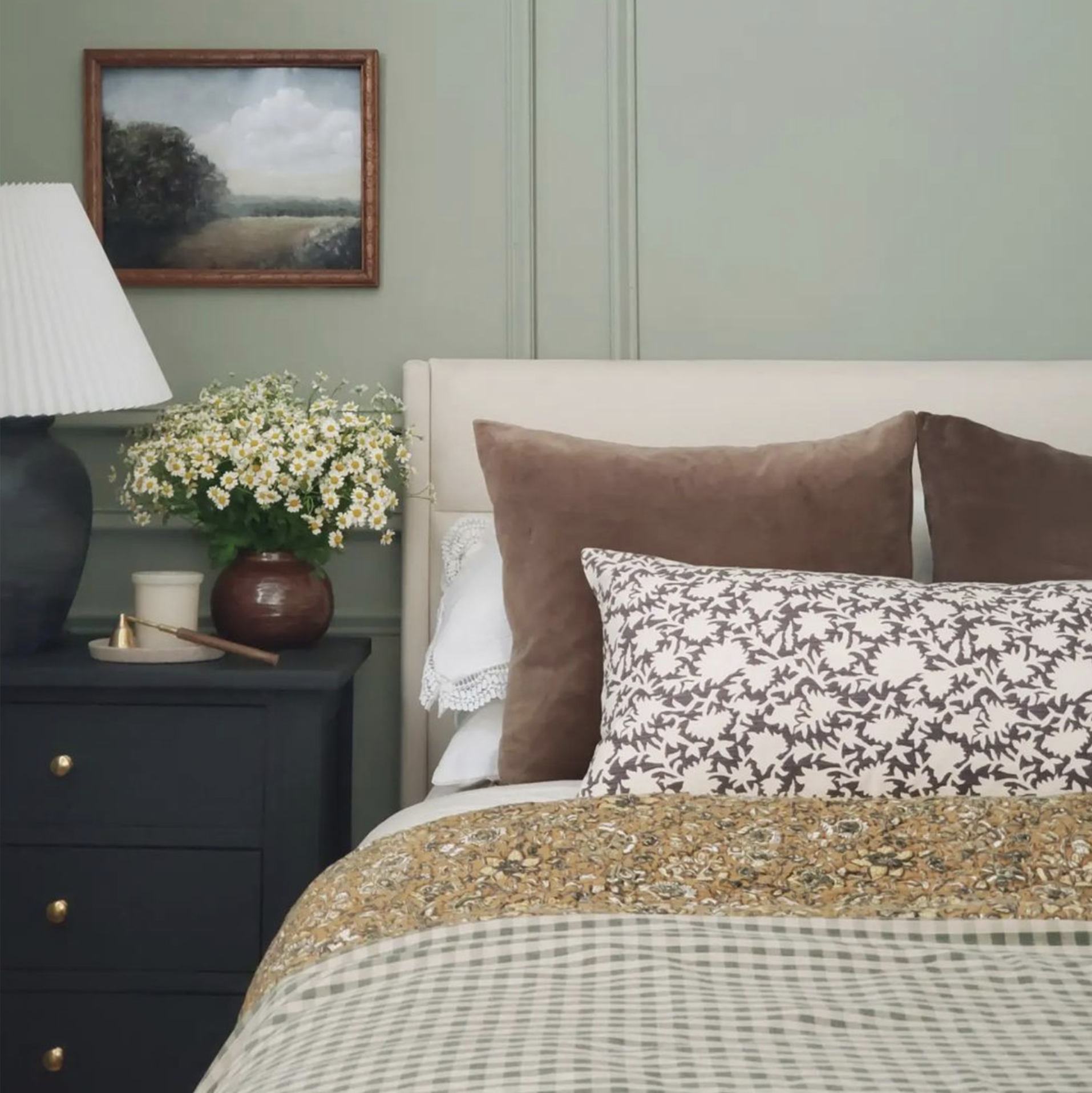
I’ve learned over time that the most beautiful pillows are never just about the cover. What truly shapes how a pillow looks, feels, and lives in a space is what’s inside it. How to Choose Pillow Inserts is one of those design decisions that seems small, almost invisible, until you get it wrong. Then you notice everything. A pillow that slumps. One that feels stiff and lifeless. One that looks flat, no matter how carefully it’s styled.
Choosing the right insert is not about perfection or luxury for its own sake. It’s about comfort. It’s about structure. It’s about how a pillow supports the body and the room at the same time. I think of inserts as the quiet foundation of good styling. When they’re right, everything else falls into place effortlessly.
When I think about how to choose pillow inserts, I think about integrity. The insert gives a pillow its shape, its posture, and its ability to hold space on a sofa or bed. A beautiful cover can only do so much if the insert beneath it lacks structure or softness.
The right insert allows a pillow to feel generous without being overstuffed. It gives that subtle fullness that makes a space feel finished but still relaxed. It also affects how a pillow ages. A well-chosen insert will recover its shape, resist sagging, and continue to feel inviting over time.
I often talk about craftsmanship as something you feel, not just see. I think that idea applies perfectly here. You feel the quality of a pillow insert every time you lean back or adjust a cushion. It’s a tactile decision, not just a visual one.
One of the first questions I ask when considering how to choose pillow inserts is what kind of fill makes sense for the space and how the pillow will be used. Different fills create very different experiences.
Down and feather inserts tend to feel soft, relaxed, and slightly imperfect in the best way. They compress easily and spring back with a gentle fluff. I love them for spaces meant to feel lived in, where comfort matters as much as appearance. They drape beautifully and create that casual, inviting look many people associate with designer interiors.
Down-alternative inserts are more structured and consistent. They hold their shape well and are often preferred by those with sensitivities. While they can feel a bit firmer, a high-quality alternative can still offer softness without feeling rigid. The key is density. Too light, and the pillow feels empty. Too firm, and it loses warmth.
Polyester inserts are typically the most structured and affordable, but they often lack the depth and recovery of natural fills. They can work in spaces where pillows are mostly decorative, but I rarely reach for them when comfort is a priority. Pillow inserts are no different. The fill should support the emotional tone of the room, not just the look.
One of the most common mistakes I see when people ask how to choose pillow inserts is selecting an insert that matches the exact size of the cover. While it seems logical, it often leads to flat, uninspired pillows.
I almost always size up. A larger insert fills the corners of the cover more fully and creates that soft, tailored look without stiffness. It gives the pillow presence. It also helps maintain shape over time, especially with natural fills that relax slightly with use.
There’s a fine balance here. Too large, and the pillow feels overstuffed and uncomfortable. Too small, and it collapses. I rely on touch and intuition as much as measurement. When the pillow feels supportive but still welcoming, I know it’s right. My designs feel balanced because every layer, visible or not, has been considered carefully.
Firmness is deeply personal, which makes choosing pillow inserts a surprisingly intimate decision. Some people love a pillow that offers resistance and structure. Others want something that sinks and molds gently.
I think about where the pillow will live. On a sofa, I usually prefer medium firmness. It should support your back without pushing you forward. On a bed, especially for layering, I lean toward softer inserts that compress easily and create a relaxed look.
Loft matters too. A high-loft insert gives volume and drama, while a lower-loft insert feels quieter and more understated. Neither is better. They simply serve different purposes.
What fascinates me about how to choose pillow inserts is how much they influence the mood of a space without being seen. A well-filled pillow invites rest. A poorly filled one creates tension. It’s subtle, but it’s real.
Soft, responsive inserts make a room feel welcoming and calm. Stiff or underfilled inserts can make a space feel unfinished or uncomfortable, even if everything looks beautiful at first glance. Comfort communicates care, and people sense that instinctively.
I often think about this when styling rooms meant for gathering. Pillows are touched. Lean on. Hugged. Their inner structure quietly shapes how people feel in space.
When considering how to choose pillow inserts, I also think long-term. An insert should hold up to daily use. It should recover after compression. It should maintain its shape without constant adjustment.
Higher-quality inserts tend to age more gracefully. They may require occasional fluffing, but they don’t collapse or lose integrity quickly. This longevity aligns with a more thoughtful approach to home design, one that values fewer, better pieces over constant replacement. An insert that lasts is part of creating a space that feels intentional rather than disposable.
Not all inserts work equally well with all covers. When thinking about how to choose pillow inserts, I consider the fabric of the cover carefully. Heavier fabrics often need a fuller insert to support their weight. Lighter fabrics benefit from softer fills that allow for movement.
Textured covers can hide slight imperfections, while smooth fabrics reveal everything. A smooth linen or cotton cover paired with an underfilled insert will look limp quickly. The insert needs to complement the cover’s character.
This relationship between inner and outer layers is something I find deeply satisfying. When the insert and cover are in harmony, the pillow feels complete.
There’s an emotional dimension to how to choose pillow inserts that often goes unspoken. Comfort is felt before it’s analyzed. A pillow that responds to the body creates a sense of ease. It signals that the space is meant to be lived in, not preserved.
I think about this often when designing spaces meant for rest or connection. The softness of a pillow can lower the tone of a room. It can encourage someone to linger, to relax, to feel held by their surroundings.
I have built her work around this idea of emotional connection through design. Even the unseen elements matter when the goal is creating a home that feels like a refuge.
At its core, how to choose pillow inserts is about honoring what sits beneath the surface. It’s about choosing comfort, structure, and longevity with intention. The right insert supports not just the pillow, but the feeling of the entire space.
This philosophy lives naturally within Laurel & Blush, a brand shaped by thoughtful craftsmanship and an appreciation for the details that truly matter. Guided by the artistic vision, the work reflects a belief that beauty should feel as good as it looks. Every layer, visible or hidden, plays a role in creating calm, collected homes.
My journey as an artist and designer is rooted in authenticity, patience, and learning the craft from the inside out. That care extends beyond fabric and form, reaching into the choices that most people never see but always feel.
If you’re curating a space that values comfort, intention, and quiet beauty, begin with what’s unseen. The insert inside a pillow shapes how it feels, how it rests, and how it supports everyday life. At Laurel & Blush, this attention to inner structure reflects a deeper philosophy of thoughtful design, where comfort and craftsmanship are inseparable. Guided by the artistic vision of, every choice honors softness, balance, and longevity. Trust that when structure meets ease, even the smallest decisions can transform a room into a place that truly feels like home.