


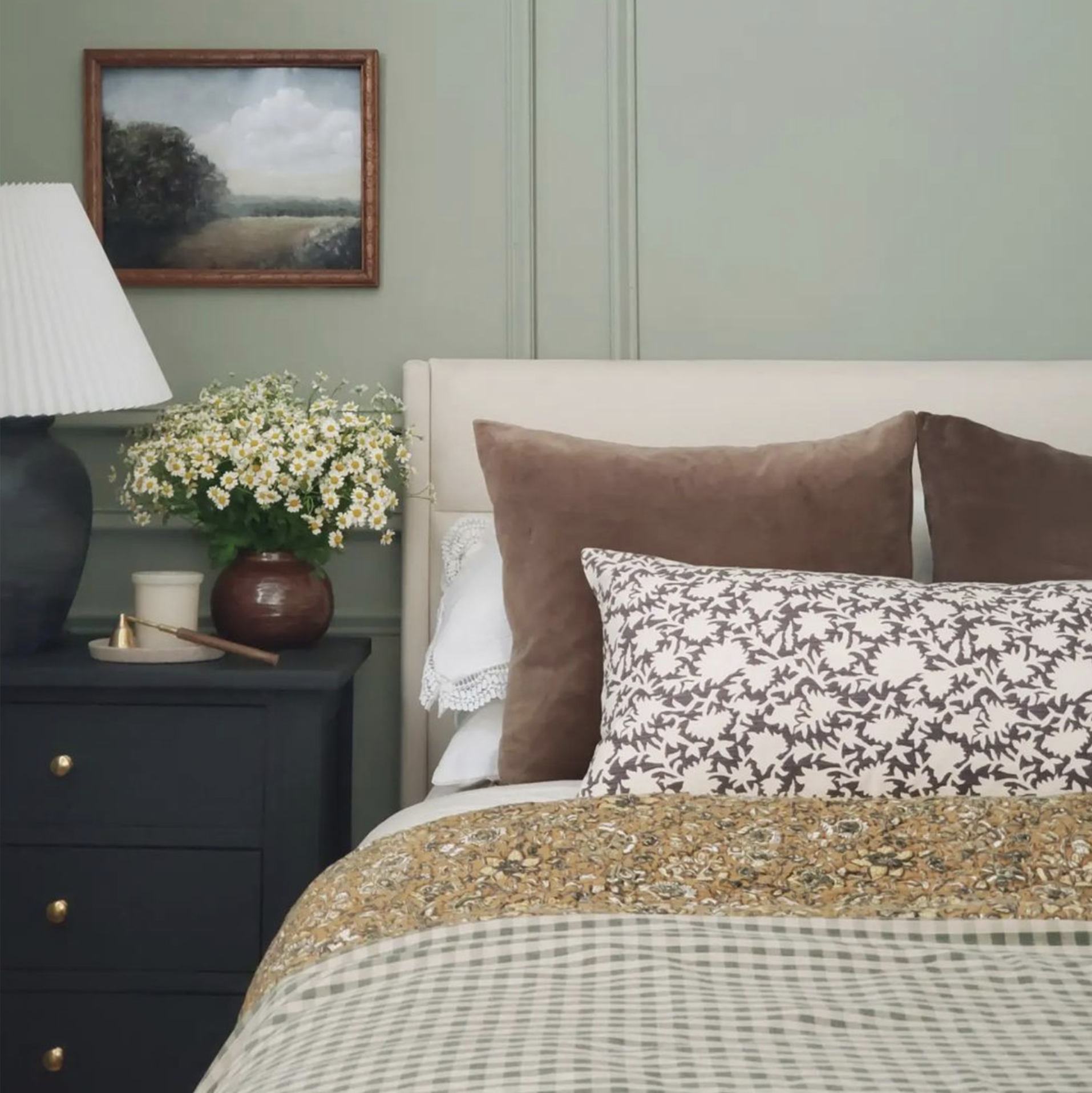
The Art of Block Print Pillows
I still remember a humid afternoon in India, chasing light through a workshop. I watched skilled hands press carved wood blocks into fabric. At that moment, I realized what makes block print pillows truly special. There was rhythm in that room, a quiet conversation among ink, wood, and cloth.

If you’ve ever wondered why block print pillows cost more, it's because its truly handmade from start to finish. You'll see that the art of block print pillows involves more than just color and pattern. It’s about history, patience, and the small human imperfections that make a home feel alive.
By the end, you’ll understand why these pillows are not just attractive additions to your sofa or bed. They are small works of art that carry centuries of craft and meaning.
Block printing is one of those timeless crafts that feels almost miraculous when you see it up close. Imagine a wooden block, hand-carved with intricate motifs like florals, vines, and paisleys. Artisans dip it into dye and stamp it onto yards of fabric, one impression at a time. There are no machines and no shortcuts. Just repetition, rhythm, and artistry.

This tradition runs deep in India, especially in Jaipur, where families and communities have been practicing it for generations. In narrow, sunlit alleys, lengths of fabric hang from rooftops like quiet banners, catching the breeze as they dry.
The first time I stepped into a block printing studio, it stopped me in my tracks. The air carried the scent of wet fabric and pigment, earthy and unforgettable. Carved wooden blocks were stacked high like books on a shelf, each one worn, loved, and telling its own story.

It’s in these quiet rooms that the fabric for block print pillows begins its journey, long before it reaches your sofa.
When you purchase a block print pillow, you’re not just getting a decorative cover. You’re taking home a story, stamped, pressed, and dyed by human hands.
There’s a reason the final product feels alive. Every step in the block printing process has a pulse of its own. It’s not an assembly line. It’s a performance.
Designing & Carving the Block
The process starts with a drawing, delicate lines on paper that hint at the final pattern. Once approved, artisans carve those designs into blocks made of sheesham or teak wood.
I once sat beside a carver and watched his fingers guide the chisel with a rhythm that was both deliberate and instinctive. Tap, pause, tap again. Each cut had a purpose.

Every color in a design needs its own block, which means a single pattern might use three or four hand-carved pieces. It’s not about perfection; it’s about presence. You might notice a tiny shift where the print overlaps. That’s not a flaw; it’s the artist signing their work in motion.
Printing the Fabric
This is where the magic truly begins. The fabric is stretched over a long padded table, and the artisan begins pressing the block, methodically repeating the process along the length.
Block down, press, lift, move, repeat.
There’s a soft thump every time the block meets the fabric. If you listen closely, you can hear the rhythm of an ancient art form keeping time with the present.
Each section is aligned by eye, not machine, and those small irregularities the human touch give every pillow its soul.

Finishing, Washing & Quality Check
After printing, the fabric dries in the open air, with sunlight setting the colors in place. Later, it’s washed to remove any excess pigment and beaten gently to soften the texture.
In one studio, I remember rows of printed fabric hanging over lines of rope with their patterns fluttering in the breeze.
When the fabric is finally cut and sewn into pillow covers, each one feels like a chapter in a larger story no two ever the same.
Hand block printing isn’t about speed. It’s about patience, dedication, and skill that’s been passed down over generations. A single yard of fabric can take hours, sometimes even days, to complete by hand. So when you see a higher price point, it’s not just fabric you’re paying for. It’s time, craftsmanship, and a lineage of artistry.
I was able to experience the making of our newest collection firsthand, and it completely changed the way I see this process. Watching it come together gave me an entirely new appreciation for what I truly believe is a work of art.

Each pillow carries:
That’s what makes the art of block print pillows special. It's not about flawlessness, it's about humanity. You’re not just buying a pillow, you’re investing in a small piece of history that remembers the sound of the block meeting the cloth.
Here’s the fun part styling these beautiful pillows so they feel at home in your space.
Let One Pattern Lead
Start with one bold, block-printed pillow as your focal point, then layer in solid colors or small-scale prints around it. This creates balance and allows the print to shine without overwhelming the space.
Think of your sofa as a canvas. Let one piece make the statement while the others support it.
Texture Is Key
Block-printed fabrics have a tactile charm, especially on natural fibers. Pair them with velvet, linen, or boucle pillows for depth and contrast. The texture play feels inviting and not staged.
Play With Placement
Try a hand-printed lumbar pillow on a reading chair or a pair of square block prints framing your bed. On a neutral linen sofa, these patterns add warmth and authenticity.
A personal favorite? Pair indigo block prints with a natural wood coffee table; it quietly reflects the wooden block origins.
Think in Color Stories
Pull colors from your space: the blue in your rug, the terracotta in your artwork, the green in your plants. Let your block-print pillow tie those threads together. The beauty of hand printing lies in its soft, layered colors; they age gracefully and look even better over time.
Keep It Seasonal Or Don’t
Many clients rotate pillow covers with the seasons, but block prints don't follow trends. They patina with age, softening in hue but not in impact. Some fabrics look better after years of use; they tell a lived-in story.
I remember sweating and leaning up against a table while watching an artisan align block after block. The air shimmered with heat and the chatter of workers filled the room. His focus was almost sacred, each press deliberate and each pattern perfectly imperfect.

That moment stuck with me. It wasn’t about the product, it was about the process. The laughter, the rhythm, the hands moving with purpose.
When we design our collections, we carry those memories with us. The smell of ink, the hum of the fans, the dusty floors stained with color. When you hold one of our pillows, you’re holding that story translated into texture and pattern.
Click here to shop our newest Block Print Collection: 2026 Block Print Collection

Q: Are block-print pillows washable?
Yes, but treat them gently. Use mild detergent, cold water, and line-dry them in the shade. Avoid bleach or tumble dryers. These colors deserve care.
Q: Why do I see small shifts or irregularities in the pattern?
Because real hands made them. Those little variations prove it’s genuine hand block printing, not machine-made.
Q: What fabrics are best for block printing?
Cotton and linen are classic choices. They absorb color beautifully and soften with every wash. Sometimes, you’ll see silk blends for a more luxurious texture.
Q: How can I tell if it’s authentic block print, not digital?
Look closely. Authentic block prints have slight misalignments, layered color edges, and visible overlap from where the block met the fabric. Ask about the artisan or origin genuine makers are always proud to share their story.


