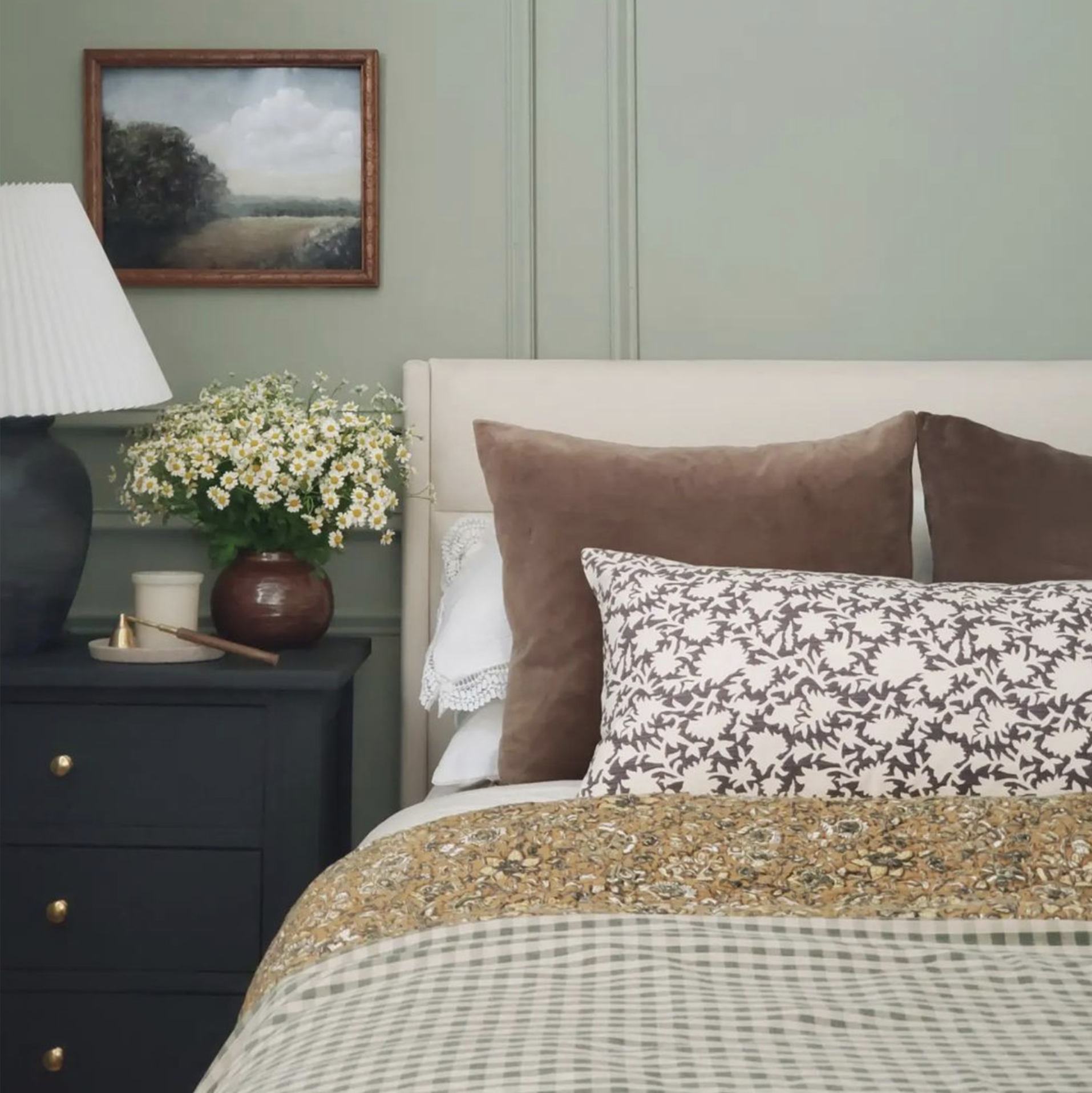
The Art of Mixing Patterns: A Beginner-Friendly Guide to Stunning Pillow Combos
Mixing and matching patterns is among the most enjoyable and intimidating processes involved in interior design. The challenge for some designers is probably creating a set like a sofa and a bed with different patterns. It is difficult to know whether two given patterns will complement each other or compete. As someone with experience in combining patterns in interior design, I assure you that with knowledge, this process is enjoyable and liberating.
Pillows are the best place to begin experimenting with patterns. Pillows are a very versatile component in the room, but they also have the power to quickly turn the mood of the room around. If you are trying to make a bold or more subtle expression, the best way to begin with a thoughtful and harmonious design is with pillows. At Laurel & Blush, my modern and textural design philosophy has informed my concepts on pattern mixing, and I'm very much looking forward to sharing what I have discovered.
In general, I completely understand the intimidation factor that comes with mixing and matching different patterns. The truth is that patterns hold an emotional level and can cause the space to feel invigorated or relaxed. To understand and effectively manage the level of energy that comes from patterns is essential. This is primarily the reason why many individuals feel confused about the idea of mixing and matching patterns.
One of the most common concerns that my clients bring to me is the possibility of patterns clashing. But not only that, all the inconsistencies in lighting and sample size can make it very hard to see how the patterns may all work well together within the house. For instance, you may see a particular pattern that would look fabulous within the pages of a magazine, only to realize that it may not look exactly so within the different lighting that is found within your house. There has been a time for me within Waco, Central Texas, and its surrounding regions, where uncertainty with patterns affected the process until we landed the right mixes.
Before entering the exciting realm of mixing and matching patterns, it’s important that we familiarize ourselves with the fundamental concepts that regulate the way in which patterns interact with each other. Trust me, it’s not that difficult.
Mixing patterns is nothing but the art of mixing different patterns in a manner that looks balanced and synchronized. The aim is not to create a mess but to add interest to the design. The interplay of the patterns is very important, and scale, repeat, and rhythm all have a role to play in deciding whether the patterns go together or clash. For instance, you can mix a large floral print with a small geometric design and achieve a balanced look by adhering to some simple guidelines.
Texture is a critical component in mixing patterns. In some instances, a pattern on its own can prove overwhelming; therefore, in an effort to reduce the overwhelming feeling, texture comes in handy. For example, the handmade pillows offered by Laurel & Blush incorporate texture as an accent to patterns. This comes in the form of boucle fabrics, linens, and even cotton textures that give patterns some much-needed space. Texture can even serve as the grounding component in a patterned setting.
Color is essentially the starting point of pattern merging. The reason why a pattern merging technique is important is that it requires you to decide on a color scheme from the start. If you opt for a dominant color, that particular color is what holds all patterns in a room together. In a room, for instance, if you have a sofa with a light color, you could bring in different designs that reflect different aspects of blue, green, and earthy colors for a natural, flowing effect in a room.
After knowing the basic principles, the process of mixing and matching patterns becomes relatively simpler. Here is a simple formula for patterns that I follow and find to be very useful for creating beautiful combinations:
The anchor pattern is the most dominant design feature in determining the tone for the entire design. This can be in the form of a bold geometric design, a floral pattern, or any design pattern you may love. The design pattern will be used as the base for the design of the different pillow combinations. If you are in love with modern geometry, you can use the large-scale geometry pattern as the anchor.
Then, I incorporate another, larger-scale design that works well with the anchor but adds an element of movement. This could be stripes, checks, or perhaps an organic design. This step is important because one must ensure that the secondary design does not overpower the anchor design but rather adds dimension.
It finishes the room with a small-scale or tone-on-tone pattern. This last element provides the texture and calmness required to tie the whole thing together. It might be a solid-colored pillow with some texture or a small-scale pattern that provides some interest without competing with the other large-scale design pieces. This layer is what will make the whole thing cohesive.
This three-step pattern formula is simple to follow, and by doing it, I have witnessed clients who were apprehensive about mixing and matching patterns in a design feel more confident about it. This design framework helps clients understand how patterns are going to interact with each other, and because of this, the entire design process seems welcoming.
In case you’re a beginner in mixing patterns, here are some of my personal favorite pairs that can look phenomenal:
Stripes are a clean geometric pattern that looks amazing with the naturalness of botanical prints. The graphic quality of stripes gives a clean, graphic look, while the flowing, organic shapes of botanical prints temper the total design. The result is a dynamic equal balance.
A modern and balanced approach is to try to pair a bold geometric with a textured solid. It definitely will add some drama with the geometric, but at the same time, some stability with the textured solid. It works especially well with quality materials such as linen and boucle.
If you like eclectic design, a good way to combine two patterns would be to layer a global-inspired graphic print over a minimal design. You want the handmade quality of the global print to match the soft and subtle design of the stripe and check patterns.
For a subtler look, a tonal pattern blend is always a great option. Mixing two or more patterns with colors that are more or less alike, for example, light beige and ivory, always results in a soothing pattern. The pattern is classy and ideal for a neutral room that lacks some texture and dimension.
Color is an effective element when it comes to pattern mixing. Here’s how to make use of color in your favor:
In order to maintain some level of cohesiveness, I would advise that a base color scheme be selected for patterns to flow well. Although this does not mean that everything must coordinate well, there are benefits to achieving harmony. If working with earthy tones, for example, select patterns that have various shades of tan, olive, or rust.
In order to add some variation to your combinations, you can include a touch of accent color. This can include the use of deep teal, mustard yellow, or blush pink. This will add some personality to your combination but will not allow it to look out of place.
Patterns can change drastically in light, so you must test the pattern in natural light before you make a final selection. You would be surprised at how a pattern can look in the evening light that you will never see in the morning light. Patterns can change once they are seen in natural light versus light in a design lab.
Textures in design work well as an additional safety net when layering patterns. Here’s why:
Texture helps soften strong patterns and provides balance. For busy patterns, my suggestion would be to add texture pillows; this could be linen, boucle, or woven cotton. The texture of these fabrics lends a hand in creating a bridge between the patterns, which ultimately gives a room a cohesive look.
I enjoy mixing and matching textures using fabrics such as linen, boucle, and cotton. These fabrics are not only versatile but also ensure that you add depth to your design. At Laurel & Blush, we design pillows that not only incorporate textures but also complement the patterns.
There are occasions when a good pillow can be what a space is lacking. A textural solid, as with a linen pillow and soft weave, can add balance without adding another visual element. When this is what you want to achieve for your mix and to avoid visual overload, this method is effective.
Location is everything in mastering pattern placement. Here are some of my favorite tips:
In a pillow arrangement, balance the designs on either side of the sofa. This brings harmony to the room by avoiding an unbalanced look.
When bigger motifs are arranged at the back and smaller ones at the front, it adds to the concept of movement. It also attracts the eye to the motif and gives it a rhythm.
Experiment with the shapes of the pillows and patterns. Use square, lumbar, or oversized pillows, all of which add a different dimension to the design scheme. Combine these pillow shapes, designs, and patterns to add some balance to the look.
Like many designers at Laurel & Blush, our concepts of clean, modern, and textured design have greatly influenced my personal take on mixing patterns. This is why it’s easy to mix patterns with our design collection, because all the patterns will complement each other perfectly. This also has a great effect on our pillow designs because it helps build confidence for people who struggle with mixing patterns.
In conclusion, mixing patterns needn’t strike fear in our hearts. After all, once we learn some basics, starting with a great "anchor" pattern, thinking about scale, and allowing color and texture to guide us, mixing patterns actually can be a wonderful, empowering experience. Whether you're a newbie or a seasoned pro at design, mixing and matching patterns is all about creating a "visual rhythm" that feels balanced and deliberate. Trust me, it's really all about injecting our own personality into our textiles, our textures, our colors. Now that you have all the tools in your toolbox with the carefully curated and handmade pillows offered at Laurel & Blush, you can go ahead and incorporate all those patterns into a beautiful space that looks like it was meant to be.